Lawn Care Service Calendar for Mendham, NJ Homeowners: Month-by-Month Guide for 2026
A month-by-month lawn care calendar helps Mendham, NJ, homeowners apply the right lawn care service tasks at exactly the right time. Mendham sits in western Morris County, where elevation is higher, soils tend toward clay-heavy and rocky composition, and frost arrives earlier in fall than in eastern parts of the county. This guide covers every key task from January through December so your turf stays thick, green, and resilient year-round.
Why Mendham's Climate Makes Timing So Important
Mendham's location in western Morris County brings a shorter effective growing season than many NJ homeowners expect. The last spring frost typically falls around early May, and the first fall frost can arrive as soon as early October, leaving roughly 155 days of active growth. The clay-rocky soil common here also drains slowly and compacts easily, affecting how well fertilizer, water, and seed penetrate the ground.
Month-by-Month Lawn Care Guide for Mendham, NJ
January and February -- Rest and Plan
Winter is the lawn's dormant period. Use these months to review last year's problem areas, order soil test kits, and schedule spring lawn care services early. Avoid walking on frozen or frost-covered turf, as this can damage crowns and cause bare patches once spring arrives.
March -- Soil Testing and Early Cleanup
Pull a soil sample and send it for testing. Mendham lawns with clay-heavy soil often show pH imbalances that affect fertilizer effectiveness later in the season. Results will guide lime or sulfur applications in spring. Begin light raking to clear winter debris and matted leaves blocking airflow to the turf.
April -- Pre-Emergent Application
Apply pre-emergent herbicide when soil temperatures reach around 50°F at a 4-inch depth, typically mid-April in Mendham. This targets crabgrass and other warm-season weeds before they germinate. Do not overseed in April if you apply pre-emergent, as it will also inhibit desirable grass seed germination.
May -- Spring Fertilization and First Mow
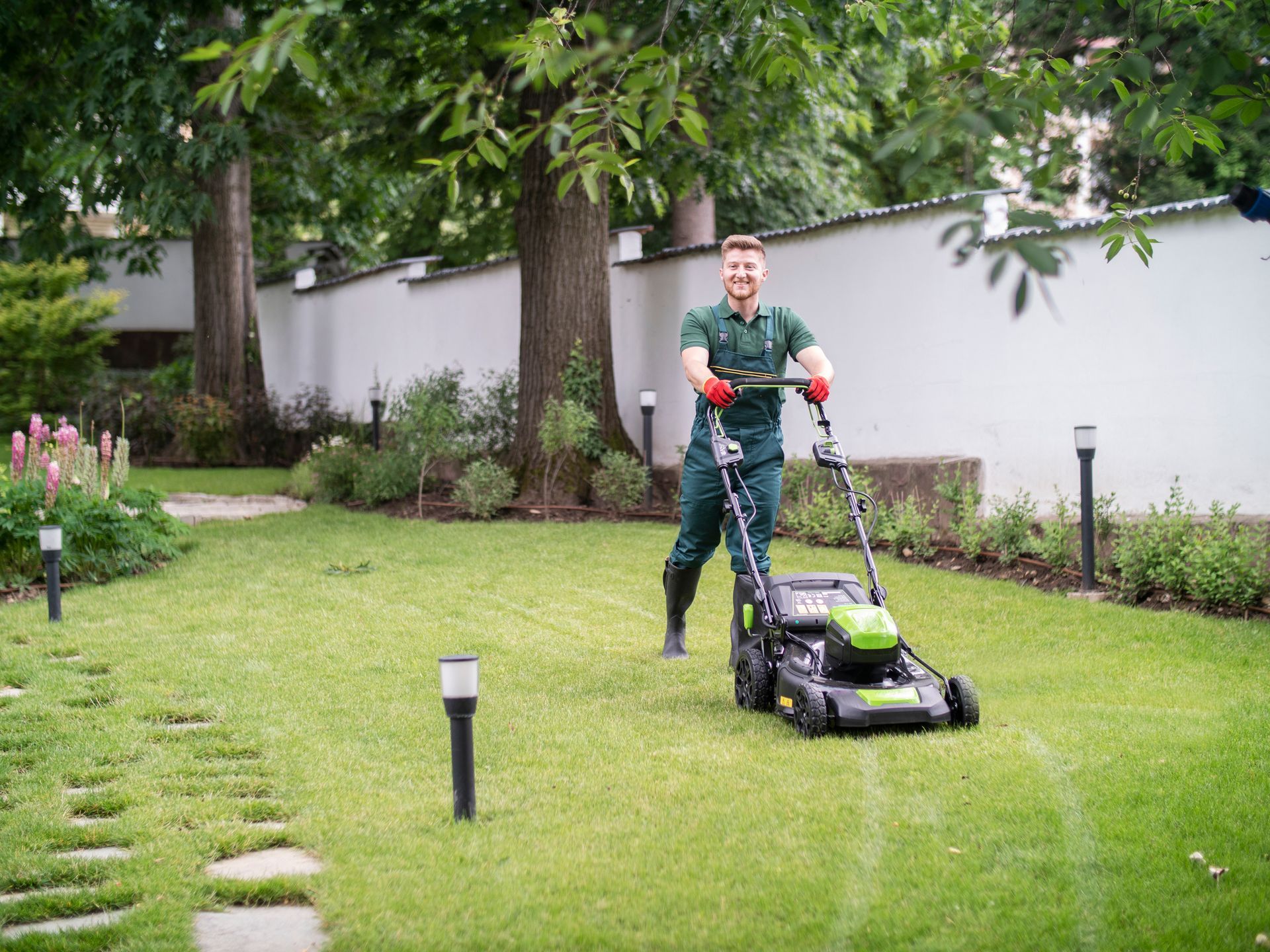
Once frost risk has passed, typically after early May, spring fertilization can begin. A balanced, slow-release fertilizer supports root development without pushing excessive top growth. Start mowing once grass reaches about 3.5 inches and avoid cutting more than one-third of the blade at a time.
June -- Weed Control and Irrigation Setup
Post-emergent weed control targets broadleaf weeds like dandelions and clover that pre-emergent did not catch. Check and calibrate your irrigation system. Mendham's clay soil absorbs water slowly, so deep and infrequent watering works better than shallow daily watering. Aim for about one inch of water per week, including rainfall.
July and August -- Managing Summer Heat and Drought
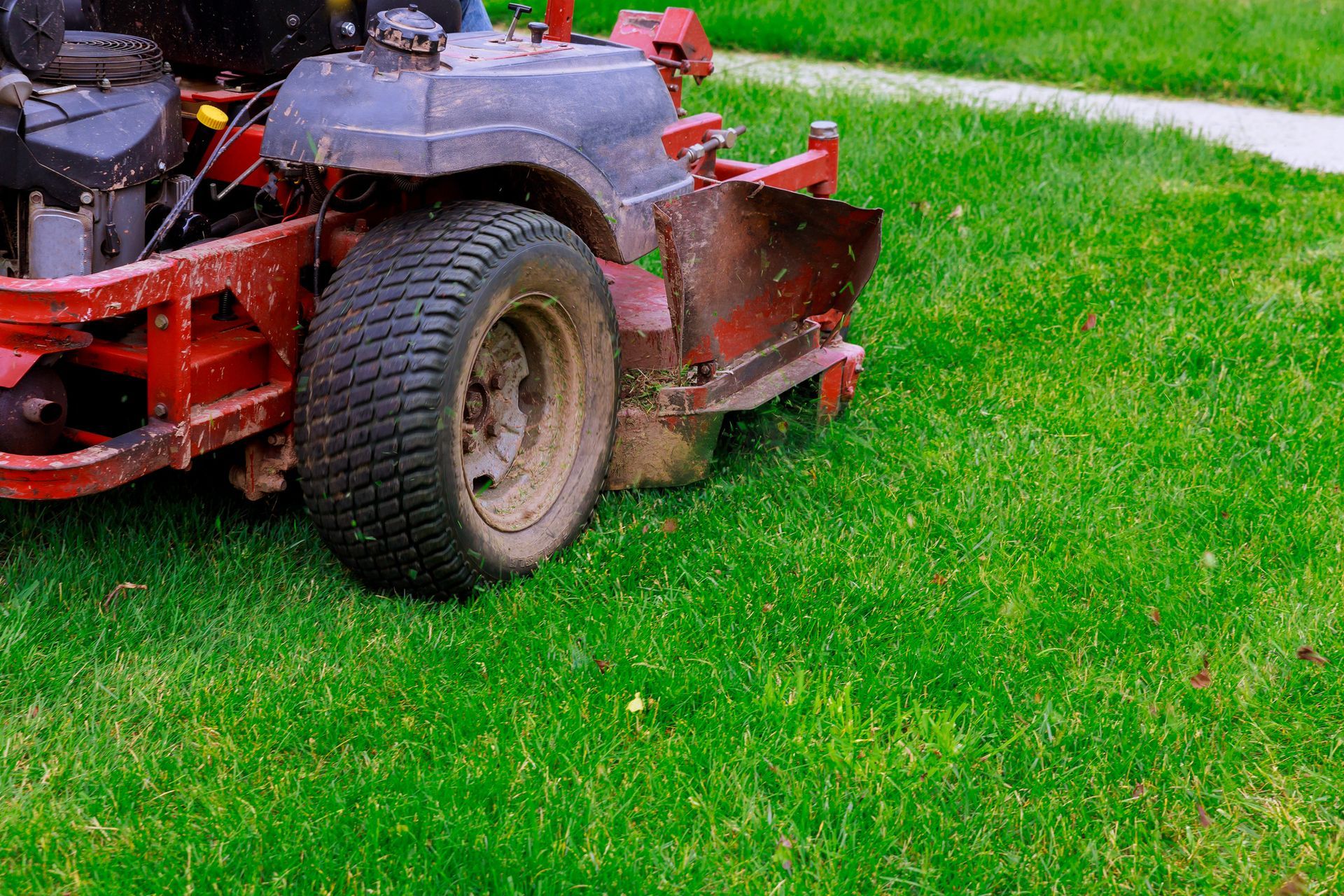
Summer is the hardest stretch for cool-season grasses like tall fescue and Kentucky bluegrass common to Mendham properties. Water deeply in the early morning to reduce evaporation and fungal risk. Avoid fertilizing during peak heat. Raise your mowing height slightly to help grass retain moisture. A lawn care service check-in during this period can catch early signs of disease or pest pressure before they spread.
September -- Core Aeration and Overseeding
September is the single most important month for lawn renovation in northern New Jersey. Core aeration breaks up compacted clay soils, improves drainage, and allows air, water, and nutrients to reach the root zone. Overseed immediately after aeration for direct soil contact and strong germination. Target early September to allow new seedlings several weeks of warm soil before the first frost, which can arrive as soon as early October in Mendham.
October -- Fall Fertilization and Leaf Management
Fall fertilization is arguably the most impactful feeding of the year for cool-season lawns. Apply a granular fertilizer after overseeded grass has germinated and before the ground freezes. Stay on top of leaf removal throughout October. A thick mat of leaves blocks light and airflow, causing turf disease and smothered patches. Because of Mendham's wooded surroundings and large lots, leaf volume can be significant, and a professional lawn care service can handle fall cleanups efficiently.
November -- Winterization and Final Mow
Make one final mow in late October or early November, bringing grass down to around 2.5 to 3 inches before dormancy. This reduces snow mold risk while keeping crowns protected. Apply a winterizer fertilizer if not already done in October. Clean and store irrigation equipment before temperatures drop consistently below freezing.
December -- Protect and Prepare
Keep foot traffic off frozen turf. Avoid piling road salt or ice melt near lawn edges, as sodium damages soil structure and grass crowns. Mark lawn edges near driveways now so snow plowing does not strip turf in late winter.
What Tasks Can a Professional Lawn Care Service Handle in Mendham?
A professional lawn care service serving Mendham, NJ, can manage pre-emergent timing, fertilization scheduling, core aeration, overseeding, and weed control more precisely than most homeowners can on their own. The tight seasonal windows, clay soils, and wooded microclimates of western Morris County all benefit from experienced hands, and outsourcing reduces common mistakes like applying pre-emergent too late or overseeding at the wrong soil temperature.
Partner with a Local Expert Serving Mendham
A well-timed, season-specific approach gives Mendham lawns the best chance to stay thick and healthy all year. If you would like professional help executing any part of this calendar, Greenwood Tree and Lawn Service brings decades of North Jersey experience to every property they serve. Call (973) 335-6650 for a free estimate, explore their lawn care services, or get in touch to schedule a consultation. Your lawn's best season starts with the right plan.